
Non-Alcoholic Beverage Compliance: What Brands Should Know Before Launching
Attorney Lindsey Zahn joined The MHW Mark Podcast to explain the labeling, ingredient, and regulatory challenges facing non-alcoholic beverage brands.
Published on:
October 15, 2026
Published By:
MHW Mark
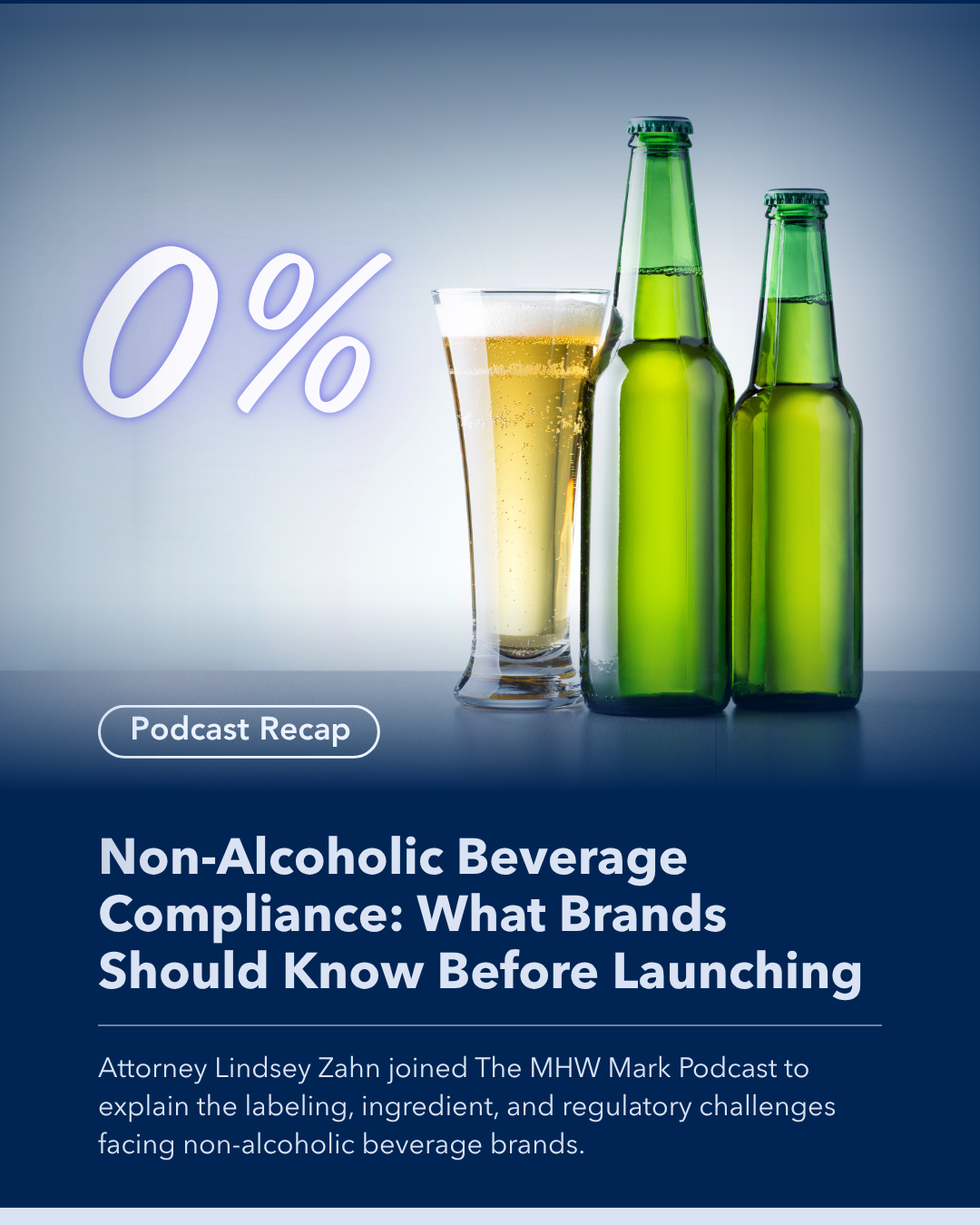
Non-alcoholic beverages are growing in popularity, but they aren’t necessarily easier to develop and sell than traditional wine, beer, or spirits. Even drinks with little or no alcohol face rules for ingredients, labeling, and marketing.
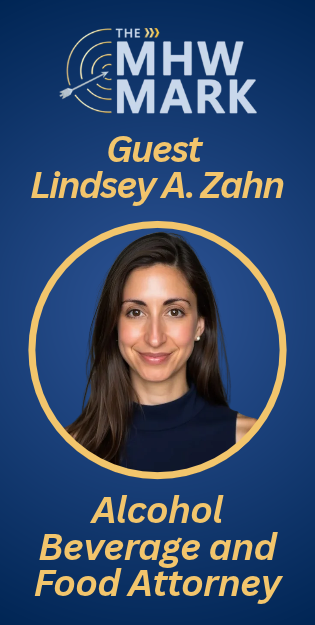
In Episode 57 of The MHW Mark Podcast, host Jimmy Moreland and MHW’s Brigid McCabe spoke with Lindsey Zahn, founder and managing partner of Lindsey Zahn P.C., a law firm specializing in alcohol beverage and food regulations. With approximately 15 years of experience in the industry, Zahn explained what brands need to check before launching a non-alcoholic product.
Non-Alcoholic Doesn’t Always Mean Alcohol-Free:
The terms “non-alcoholic” and “alcohol-free” don’t mean the same thing. As Zahn explained: “Non-alcoholic doesn’t necessarily mean alcohol free. Alcohol-free actually means no detectable alcohol under the FDA regulatory perspective.”
Under the Food and Drug Administration’s (FDA) guidance, certain beverages may be labeled non-alcoholic even when they contain trace amounts of alcohol below 0.5% alcohol by volume (ABV). The term “alcohol-free,” however, is reserved for products containing no detectable alcohol.
Zahn also emphasized that there isn’t one set of rules for all non-alcoholic beverages. A sparkling botanical drink, a dealcoholized wine, and a non-alcoholic malt beverage may have different requirements based on their ingredients, production methods, and alcohol content.
Understanding FDA and TTB Requirements:
Zahn explained that traditional non-alcoholic products, such as flavored waters, juices, and botanical drinks, generally fall under FDA food-labeling regulations. Depending on the product, this can mean providing a Nutrition Facts panel, ingredient list, and allergen information.
Dealcoholized wines have different requirements. For example, wines containing less than 7% ABV are subject to FDA food-labeling requirements, although certain rules administered by the Alcohol and Tobacco Tax and Trade Bureau (TTB) may still apply. Qualifying malt beverages have their own TTB labeling requirements.
State laws can add more requirements too. Depending on the beverage and where it will be sold, a company may need licenses or other approvals from state food or agricultural agencies.
Why Packaging and Marketing Language Matter:
Zahn explained why labels for spirit-inspired drinks need careful wording: Consider a drink described as “gin-inspired” versus one labeled “non-alcoholic gin.” The first suggests a flavor or style; the second could suggest the drink was originally gin with the alcohol removed.
As Zahn put it:“The regulatory question isn’t really, is the word gin allowed? It’s more like: what is the consumer being told that this product is?”
Packaging matters, too. Zahn pointed out that bottle shapes, images, and familiar alcohol brand names can lead shoppers to mistake a non-alcoholic drink for an alcoholic one.
Functional beverages, such as drinks advertised for relaxation or other benefits, must also follow FDA requirements, which distinguish among health, nutrient, and structure/function claims.
Why Brands Should Address Compliance Early:
Zahn recommends involving an attorney or regulatory specialist before finalizing a formula or spending heavily on packaging.
She explained that ingredients that are plant-based or traditionally used for medicinal purposes are not automatically permitted in conventional food products. Brands also need to ensure their labels contain the required information and that their marketing claims are accurate.
Unlike many traditional beverage alcohol products, FDA-regulated food products generally do not undergo government preapproval of their labels. As Zahn explained, this places responsibility on the company to verify compliance before the product reaches consumers.
She warned of the potential cost of discovering a problem too late: “I think it’s also really important to have legal review your label because the most expensive regulatory problem is often the one you discover after you’ve printed 50,000 labels.”
How MHW Can Help:
At MHW, we help non-alcoholic beverage brands with importation and distribution. We encourage founders to consult legal counsel early, and we review ingredient lists and request hazard analyses as part of preparing to work with a brand.
Addressing these requirements early can save brands from costly changes to their formulas, labels, or marketing.
Want to learn more? Listen to Episode 57 of The MHW Mark Podcast: The Surprisingly Non-Straightforward World of Non-Alcoholic Beverage Compliance – with Lindsey Zahn for the full conversation, including more examples of labeling challenges, state regulations, and considerations for brands entering the non-alcoholic market.
This article is intended for general educational purposes and does not constitute legal advice.